AfroTalks Kigali 2026: Where Culture, Tourism and Human Connection Brought Africa Together
Much has been written about African integration through trade agreements, infrastructure projects, technology, and policy frameworks. Yet one of the most powerful lessons from AfroTalks Kigali 2026 was far simpler: before systems connect countries, people must connect with each other.
Held under the theme "Beyond Borders: Building Systems for Africa's Integration," AfroTalks Kigali brought together founders, investors, policymakers, diplomats, academics, creatives, ecosystem builders, and emerging leaders from across Africa and beyond. While the conference delivered high-level conversations around entrepreneurship, finance, governance, innovation, and trade, its greatest impact may have been the human connections created throughout the experience.
The week-long gathering began with the Future of Work Mixer on 28 May at the Digital Transformation Center, where professionals and thought leaders from countries including Ghana, Zimbabwe, Rwanda, Nigeria, Kenya, and beyond engaged in conversations about the future of talent, technology, and opportunity in Africa.
On 29 May, AfroPitch and the MVP Masterclass created another layer of interaction. More than 70 startups from across Africa applied for AfroPitch, bringing founders from different cultures, markets, and industries into one room. Entrepreneurs who may never have crossed paths found themselves exchanging ideas, sharing lessons, exploring partnerships, and learning from one another.
The MVP Masterclass led by Mariama Jalloh further strengthened these interactions by providing founders with practical tools for building investor-ready businesses.The main conference on 30 May transformed the Kigali Paramount Hotel into a meeting point for some of Africa's most influential voices.
Credit Photo: Afro Talks 2026 in Kigali
The event was officially opened by H.E. Ernest Amporful, Ghana's High Commissioner to Rwanda, whose welcome address underscored the importance of diplomacy, regional cooperation, economic integration, and stronger people-to-people relationships across the continent. His remarks set the tone for a day dedicated to exploring how Africa can build stronger systems, partnerships, and institutions capable of driving sustainable development and continental progress.
The conference stage featured a distinguished lineup of speakers and thought leaders whose perspectives reflected the complexity and opportunity of modern Africa. Professor PLO Lumumba challenged participants to think beyond potential and focus on systems capable of transforming the continent. Mariama Jalloh delivered practical insights on entrepreneurship, venture building, and investor readiness.
Bright Darko, Sharon Mutesi and Mariama Jalloh explored the future of finance and the role of financial institutions in supporting African growth, while Mweembe Sikaulu contributed perspectives on leadership, innovation, and continental development. Autumn Marie delved into building the Africa we envision with precision and intentionality.
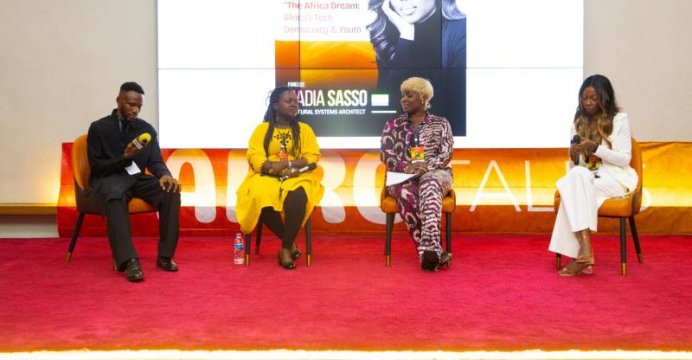
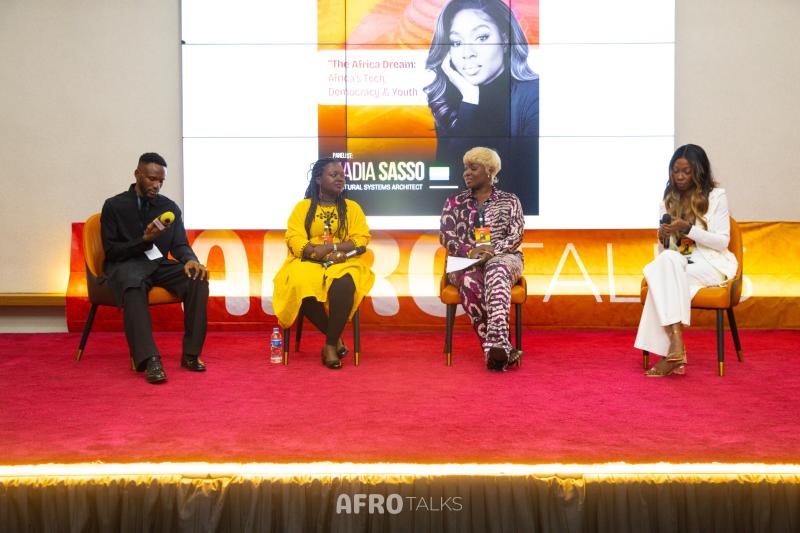
Anne Rose, Nadia Sasso, Akosua Osei and Bright Tenbil enriched the conversations through discussions spanning business, leadership, social impact, governance, entrepreneurship, and Africa's evolving role in a rapidly changing world. Together, the speakers created a multidimensional dialogue that challenged assumptions, inspired collaboration, and encouraged participants to think beyond national boundaries toward a shared African future.
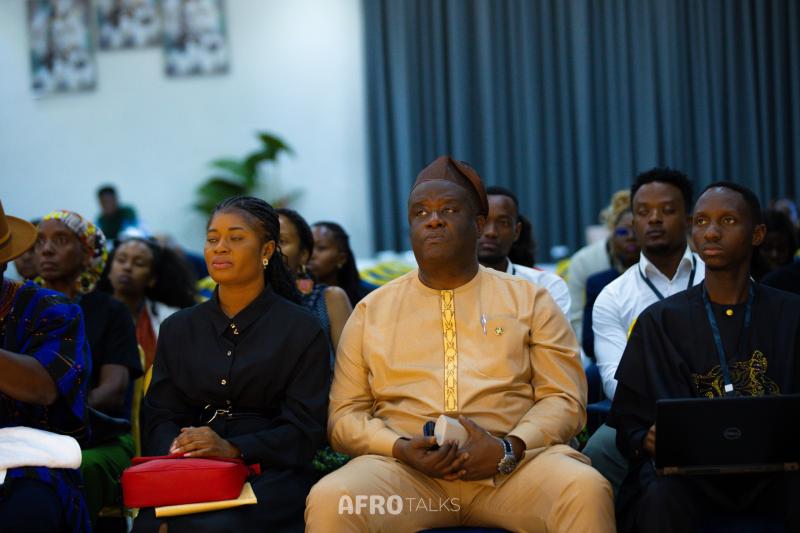
Credit Photo: Afro Talks 2026 in Kigali
Poetry performance Saranda Oliva Mutoni reminded participants that Africa's integration is not only economic or political, but also cultural and deeply human. Through storytelling, creativity, and artistic expression, delegates were invited to reflect on identity, belonging, memory, and the shared experiences that connect Africans across borders.
The African Trade Exhibition further expanded these connections by showcasing businesses, products, and services from different African countries. Delegates were able to discover new markets, engage with entrepreneurs, explore investment opportunities, and experience the diversity of African enterprise firsthand. Perhaps the most unique aspect of AfroTalks Kigali came after the conference itself.
The two-day Kigali city experience on 1 and 2 June allowed participants to engage with Rwanda beyond the conference hall. Delegates explored Kigali's infrastructure, culture, hospitality, innovation ecosystem, cuisine, and tourism attractions. For many, it was their first visit to Rwanda. For others, it was an opportunity to see Africa through a different lens.The experience challenged perceptions, encouraged intra-African tourism, and reinforced an important reality: Africa remains one of the continent's most underexplored opportunities.
Business relationships evolved into friendships. Professional connections became cultural exchanges. Conversations continued over meals, city tours, and shared experiences. Delegates left not only with contacts and business opportunities, but with a deeper appreciation for the diversity and potential of the continent itself.
This is where AfroTalks distinguishes itself. It is a platform that creates proximity. It brings Africans together in ways that allow them to learn from one another, collaborate across borders, and build trust through shared experiences.As Africa continues to pursue greater integration through trade, technology, investment, and policy, AfroTalks Kigali demonstrated that the foundation of all integration remains human connection.
Because before markets connect, people must connect. Before systems integrate, relationships must form. And before Africa can fully build beyond borders, Africans must continue discovering each other.
With Kigali concluded, the journey now continues to Nairobi, Kenya, from 22–28 October 2026, where a new chapter of conversation, collaboration, culture, and continental connection will begin.
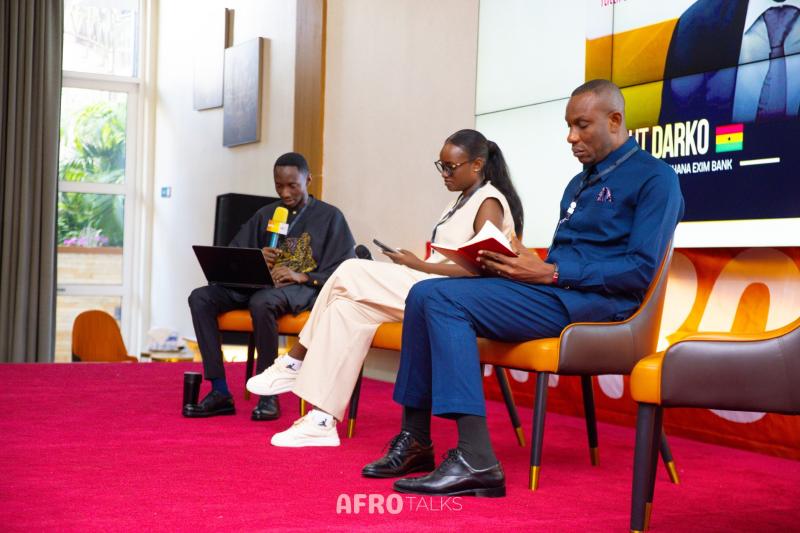
Credit Photo: Afro Talks 2026 in Kigali